
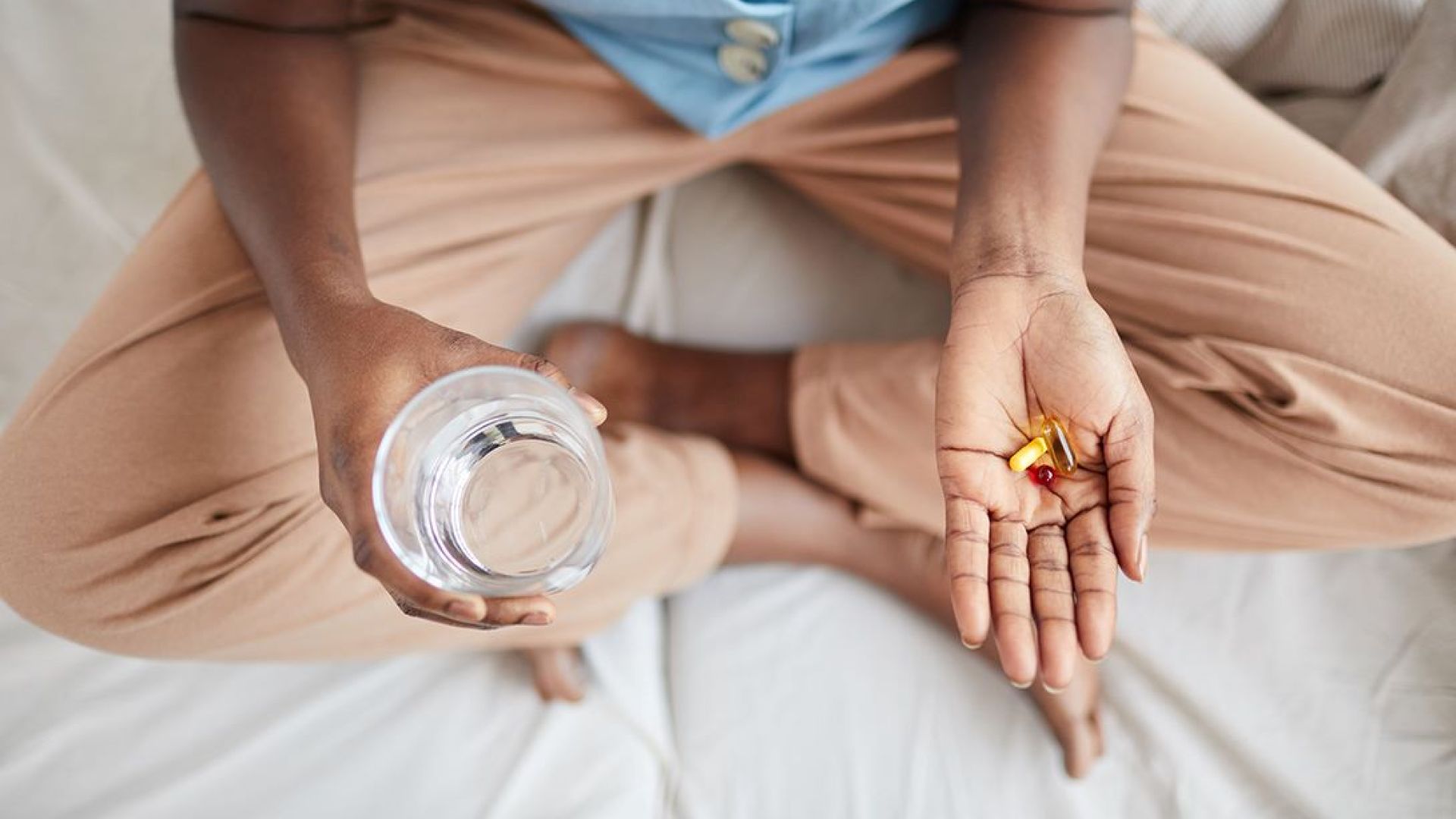






With a greater understanding of health and wellness, consumers today are keenly aware of the importance of staying in the pink of health and avoiding a visit to the clinic or hospital. Preventive healthcare is vital to consumers in Asia Pacific (APAC), with 92% saying that it is important to their overall well-being, and even higher 97% in the Philippines, according to a recent study by Herbalife.
Many are taking steps to improve their health, including intentionally making healthier food choices, exercising and taking health supplements. Today, supplements are seen as a way to support general health, boost immunity, and help individuals achieve their health goals. It is also common for doctors, nutritionists, healthcare companies, and even friends to recommend supplements.
In the Philippines, nearly nine in ten Filipinos take supplements regularly, according to Herbalife’s survey of 9,000 consumers across 11 markets in May 2025. At the same time, the survey revealed almost one in four Filipinos lack confidence in whether they are making responsible supplement decisions.
According to Dr. Alex Teo, Director of Research Development and Scientific Affairs at Herbalife, making responsible supplement choices means obtaining a thorough understanding of a health supplement product’s ingredient composition, product quality, recommended dosages, consumption limits and possible interactions with other supplements and medication. Without thorough knowledge, consumers could find it challenging to benefit from safe and effective supplementation and bolster their preventive healthcare efforts.
Consumers’ knowledge gap
To overcome this challenge, it is important to understand where the gaps are in consumers’ knowledge of supplements. Across age groups, the study found that consumers are unclear about how to take supplements safely and effectively. Worryingly, they are not aware of the appropriate dosage and the upper limits for the supplements that they are consuming, especially if they are taking a combination of supplements. Among Filipinos, more than 51% are unaware of the potential effects of supplement overconsumption.
The study also found differences across generations. Half of the Boomer respondents in APAC consume supplements daily, but only 30% are concerned about making informed supplement choices, making them the least concerned group. They are also the least confident, with just 42% expressing confidence in their supplement decisions compared to other age groups.
In contrast, Gen Zs are the strongest believers of making informed decisions (47%) and most confident (58%) in their ability to make good supplement decisions. However, confidence in ability to make good decisions does not automatically translate to proper and responsible supplement intake. A university study found that young adults who misuse or consume excessive amounts of supplements may face potential health risks.
For Filipinos, it matters how safe and effective supplements are. Nearly half (48 %) prioritize product efficacy and safety while 36% rely on product quality certifications.
Another area of concern is that consumers do not have enough knowledge of how their supplements could interact with their medications. For instance, St. John’s Wort could potentially reduce the effectiveness of medications such as warfarin and certain statins. Another example is with the use of calcium supplements that are commonly taken to build and maintain strong bones. Excessive intake could cause hypercalcemia, a condition in which the calcium level in the blood becomes too high and results in weakened bones and kidney stones. Herbalife’s survey found that 43% of Filipinos are not aware of the daily upper limits for calcium consumption, while 67% are not aware of the effects of over-consuming calcium.
A shared responsibility is key
On a more positive note, 70% of Filipinos remain optimistic and are confident in achieving their health goals. Many also recognize their role in making responsible health decisions, with 94% recognizing the importance of making responsible decisions. The issue, however, is not just for consumers alone as both supplement providers and consumers have a role to play.
While consumers today have easy access to information, making good supplement choices requires considerable effort. They need to study labels, conduct their own research, and seek guidance from credible sources. This is where the reliability and trustworthiness of a supplement become important. In fact, 95% of Filipinos said that trust in a supplement significantly influences their purchase decision.
In parallel, consumers need more proactive input from trusted professionals who bring a science-based approach to supplementation. While 64% of Filipinos look to healthcare professionals to guide their supplement decision-making process, there are also many who do not do so.
Hence, multiple parties have a role to play here. Consumers should seek out the right advice and information, healthcare professionals must provide science-backed advice, and supplement providers have to offer clear labelling and transparent communications about how to consume supplements safely. To back up these efforts, stringent product quality controls, validation, safety and efficacy assurance must form the baseline on which consumer trust in supplements is built.
Paving the way for better health
From Herbalife’s study, consumers believe that supplementation plays an important role in improving health and well-being, which underlines the importance of ensuring that the right supplements are consumed correctly. As one of the region’s leading supplement-taking populations, Filipinos should strive to understand not only what works, but what is appropriate for their health needs.
To drive better health outcomes, supplement providers need to work hand-in-hand with consumers to support their health goals. Nutrition companies can play a bigger role as nutrition thought leaders, while supplement-related consumer education should be stepped up to empower consumers to make better supplement choices. Doing so will pave the way for responsible supplementation to be a way of life for consumers across the region, helping them to better succeed in staying healthy for longer.