







Even as Bago City reeled from the effects of Typhoon Verbena, one thing remained unmistakably present: the quiet determination to serve.
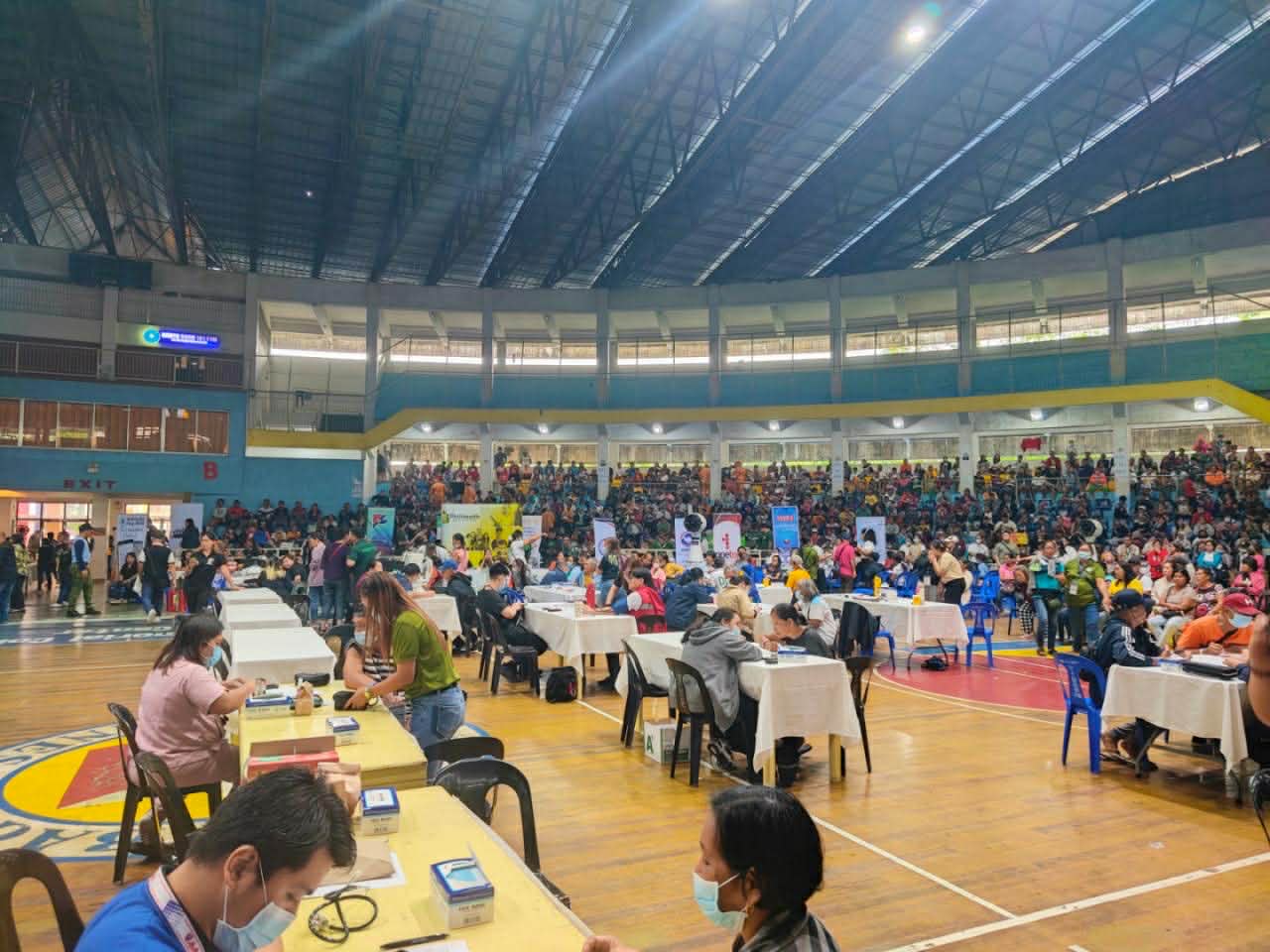
Against the backdrop of challenging weather and logistical hurdles, the AMA Education System (AMAES) pressed on with its commitment to community healthcare, joining the second leg of the nationwide Lab for All initiative in Negros Occidental. The medical mission, held in Bago City, reached more than 1,500 residents—many from vulnerable and underserved sectors—who lined up not just for treatment, but for reassurance and care.
At the heart of the effort was the AMA School of Medicine, working alongside medical volunteers from AMA Computer College Bacolod. Physicians and medical students provided free consultations, basic diagnostic services, and immediate medical guidance—small yet crucial interventions that emphasized early detection and preventive care at a time when access to health services was especially limited.
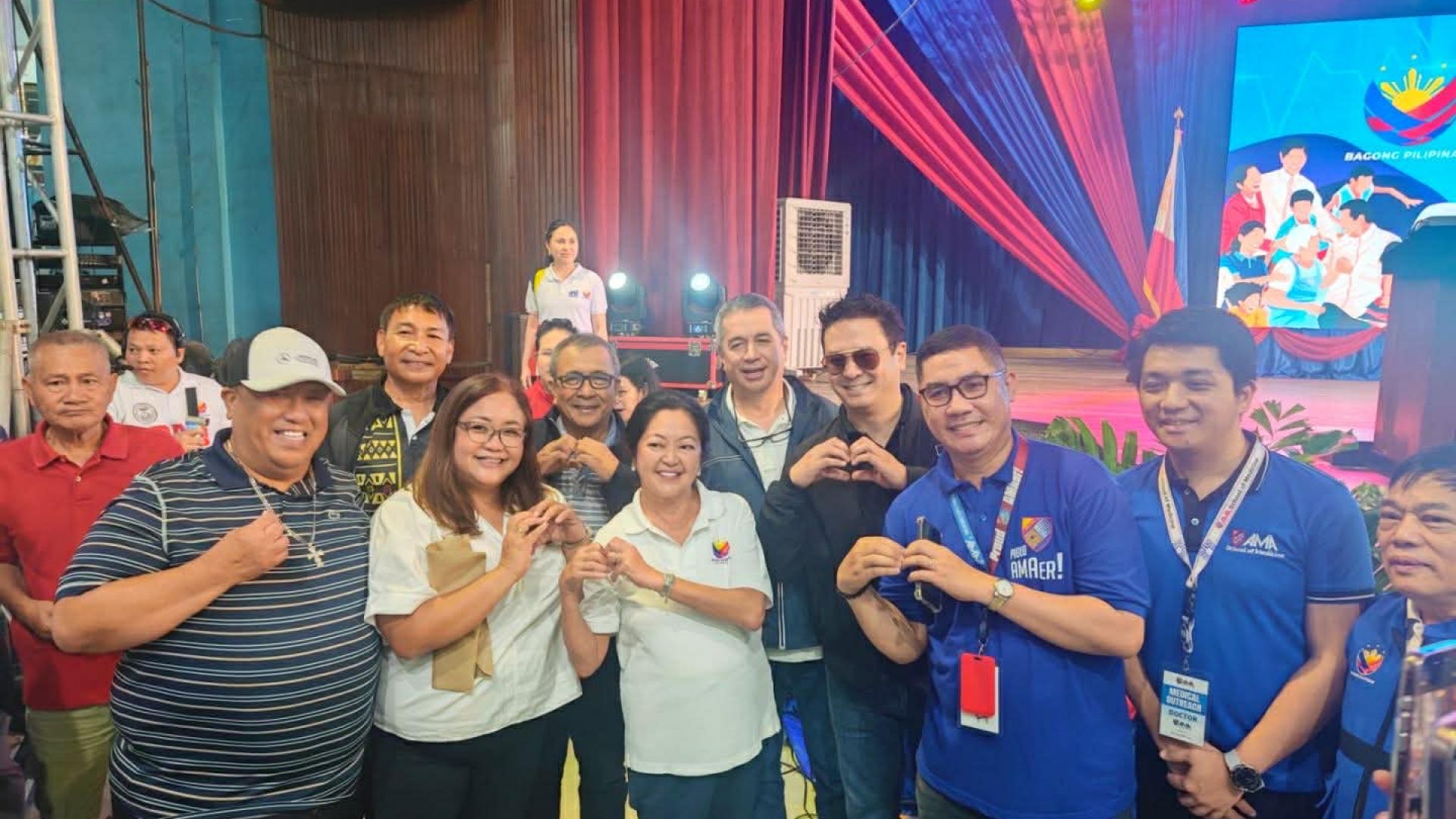
The activity formed part of Lab for All, a nationwide healthcare program spearheaded by First Lady Louise Liza Araneta-Marcos, designed to bring essential medical services closer to communities. In Bago City, the initiative unfolded in coordination with the Department of Health and other government agencies, ensuring that the services delivered were aligned with national health priorities.
Beyond the numbers, the mission reflected a deeper philosophy embedded within AMAES— one that places education and service side by side. Medical students were not merely observers; they were active participants, gaining firsthand experience in community-based healthcare, inter-agency collaboration, and crisis-context response. For many, it was a formative encounter with the realities of public health beyond the classroom.
During the activity, the First Lady expressed her appreciation for the continued support of Amable R. Aguiluz V and Amable C. Aguiluz IX, acknowledging their sustained involvement in advancing the goals of Lab for All. Their leadership has helped reinforce the role of private educational institutions in national healthcare efforts, particularly in reaching communities often left on the margins.
As the medical mission concluded, it left behind more than completed consultations or filled prescriptions. It underscored a message that resonates strongly in times of adversity: that education, when paired with service, becomes a powerful force for nation-building.
In Bago City, amid storm recovery and uncertainty, the presence of AMAES and its volunteers stood as a reminder that healthcare—delivered with purpose and compassion—remains a cornerstone of resilience.